At the counter
Semaglutide and alcohol consumption
An unusually interesting small trial, considered at the size it actually was.
Inside the human trial
The randomized phase-2 study enrolled 48 adults with alcohol use disorder. Semaglutide reduced the alcohol consumed in a laboratory self-administration task, which means participants' consumption was measured within the experiment. The study also predicted greater reductions in heavy drinking over 9 weeks.
I like the awkward specificity of the laboratory task. It is harder to inflate than a phrase about losing interest in drinking, because it names an action that was measured. At the same time, a result gathered inside a task leaves plenty to discover about ordinary evenings.
The population matters just as much. These adults had alcohol use disorder. Extending their result to everyone who enjoys a drink would answer a broader question than the trial asked.
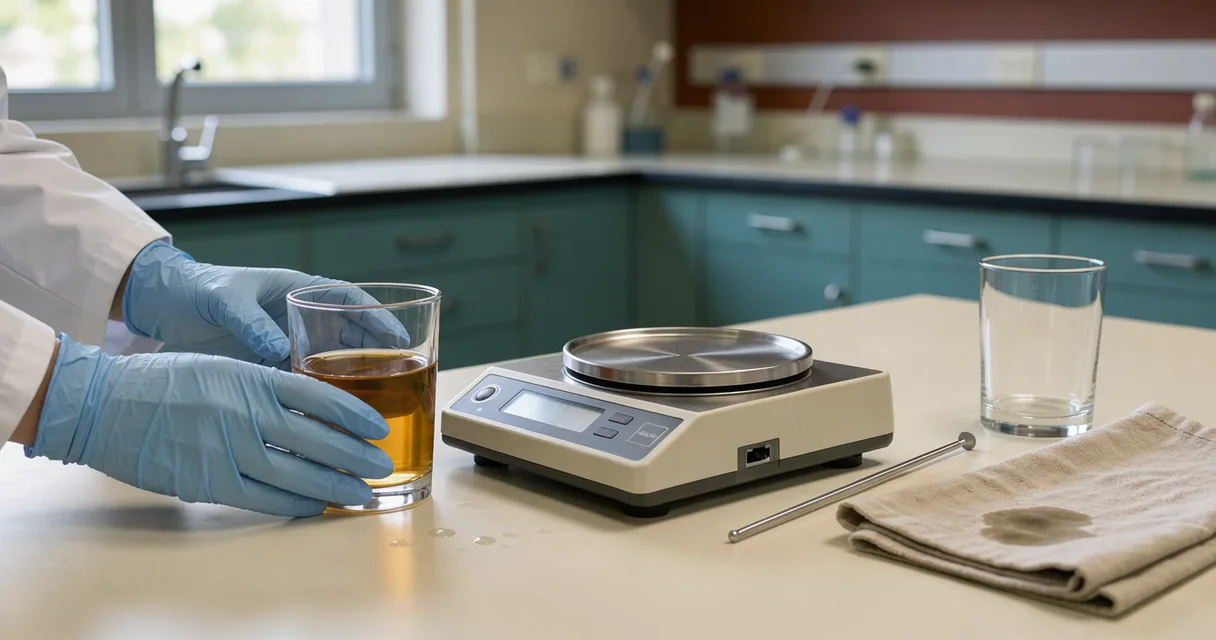
Alcohol consumed and heavy drinking
The paper's laboratory-consumption result and heavy-drinking result give the story separate points of interest. One concerns alcohol consumed in the task. The other concerns reductions in heavy drinking over the study period. A glass left unfinished would interest me less than this combination of measured outcomes.
My enthusiasm remains provisional. A small phase-2 study can earn a larger trial without settling the treatment question. My request for another experiment is straightforward: does the drinking change persist, and how do benefits and adverse effects balance in this population?
This result also leaves the safety of combining semaglutide and alcohol unanswered here. A finding about consumption cannot provide a personal clearance to drink.
A longer experiment
The human trial followed adults with alcohol use disorder over 9 weeks. Its time window sets a useful next question. A larger experiment could ask whether the measured drinking changes persist, repeat the laboratory task and give unwanted effects enough attention to judge the balance. Those are the results I would be eager to see.
An evening in the city brings companionship, expectation and routine into the imagined scene. The experiment measured alcohol consumption and heavy drinking. The broader explanation can wait while my curiosity has this small experiment to work on.
The food-preference work offers a nearby biological question, with its own animal subjects. The digestive findings return the discussion to the burdens of the medicine. Both belong beside this promising early result.